What Is an IMEI Number and Why Is It Important?
Every mobile phone has a story that is not written on its screen. It may have crossed several countries, passed through a repair shop, or changed owners before it reached your hand. Behind that journey is a long string of digits called an IMEI number. It is easy to ignore until you buy a second-hand phone, report a device as stolen, or a carrier asks for identifying information. At that point, knowing what an IMEI number is can save you time, money, and a great deal of frustration.
This guide explains the IMEI in plain language. You will learn where the number comes from, what each part does, why networks care about it, and what it cannot do. We will also separate some common myths from reality. The IMEI is an important piece of smartphone technology, but it is not a secret tracking device and it does not replace a secure account, a strong passcode, or a backup of your data.
What Is an IMEI Number?
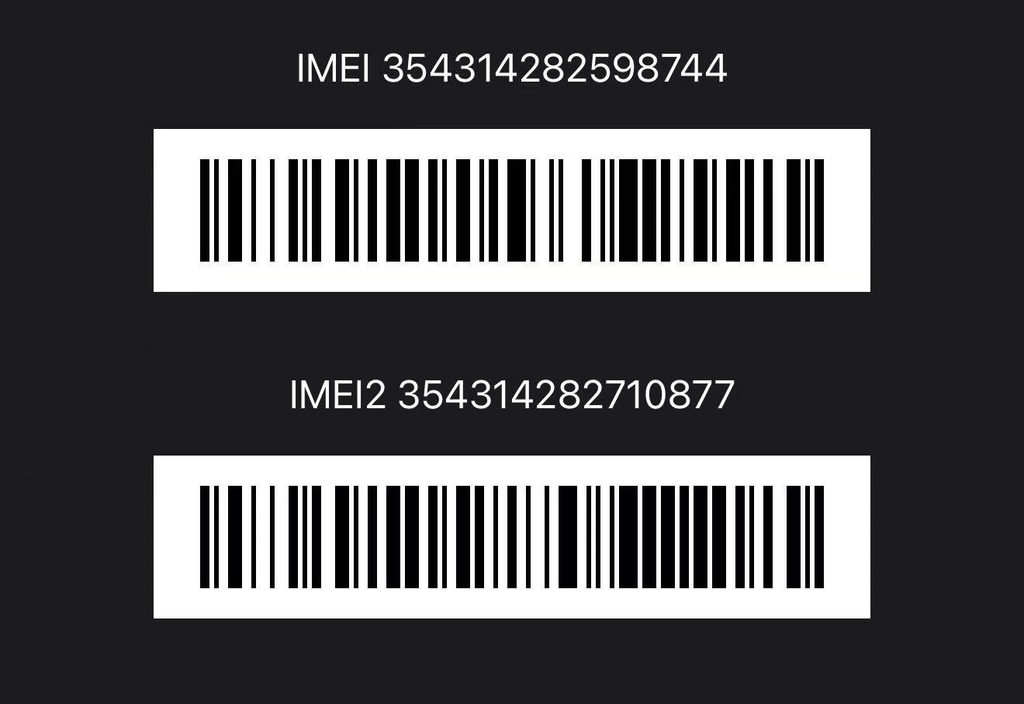
IMEI stands for International Mobile Equipment Identity. In everyday language, it is a unique identity number assigned to a cellular device. The number helps distinguish one handset or modem from another, even when two phones use the same model name. Most IMEIs contain fifteen digits. You can often see yours by opening the phone dialer and entering `*#06#`, by checking the original box, or by looking in the device settings.
An IMEI identifies equipment, not the person using it. The related IMSI identifies a subscriber’s SIM profile on a mobile network. That difference matters. If you move a SIM card from one phone to another, the subscriber identity may remain the same while the equipment identity changes. Modern dual-SIM phones may show two IMEIs because they support two cellular identities. An eSIM can exist without a plastic card, but the phone or modem still has an IMEI.
The IMEI is usually tied to the cellular modem rather than to the apps, photos, or account data stored on the phone. Resetting the software or changing the SIM does not normally create a new IMEI. This persistence is useful for inventory and warranty records, but it also means buyers should check the number before handing over money for a used device.
How Does an IMEI Work?
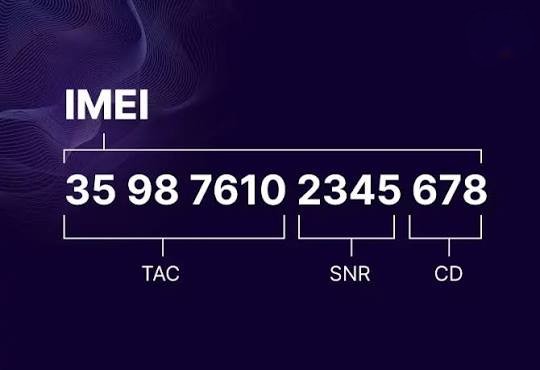
The IMEI begins its life at the manufacturing stage. Its first eight digits form the Type Allocation Code, which identifies the device model or a group of models. The next digits form a manufacturer-defined serial sequence, and the final digit is a check digit calculated from the earlier numbers. This structure allows systems to reject obvious typing errors and lets manufacturers and mobile operators recognize equipment more reliably.
When a phone connects to a cellular network, the modem identifies itself. The network may combine this equipment identity with information about the SIM and the service account. In some markets, operators use an Equipment Identity Register to check whether a device has been reported lost or stolen. A clean device can proceed normally, while a blacklisted device may be denied service. The exact behavior depends on local rules, carrier policy, and the records available to each network.
The IMEI is not a live GPS locator. It does not continuously send your street address to a searchable database, and a website that asks for an IMEI cannot reveal a phone’s location by itself. Network records can help authorities or carriers investigate a case under the proper legal process, but ordinary IMEI lookup services mainly provide model information or check whether a number is on a particular list. They are not a replacement for a police report or your phone’s built-in Find My service.
Key Components and Technologies
The IMEI structure is simple on the surface but depends on several systems working together. The modem handles cellular communication and supplies the equipment identity during network registration. Manufacturer databases connect the Type Allocation Code with model details. Carrier systems and shared blacklist services may exchange reports about devices that should not receive service. Packaging and repair records help legitimate owners keep track of the number.
Some devices also have an IMEI software version, called IMEISV, which contains additional software-related digits. A phone may display more than one number because it has multiple radio paths, such as two SIM slots or a combination of physical and electronic SIM support. This is normal. The important detail is to record the correct IMEI for the radio that is being used or sold.
Security controls sit around the IMEI rather than inside it. A thief can physically take a phone, and a network may later block it, but the identity number alone cannot erase data or lock the screen. A screen lock, encrypted storage, remote account protection, and a recent backup remain the first line of defense. Consumers should treat the IMEI as an equipment reference, not as a password. It is often printed on a box and can be visible in settings, so it should not be used as proof of ownership without other evidence.
Real-World Applications
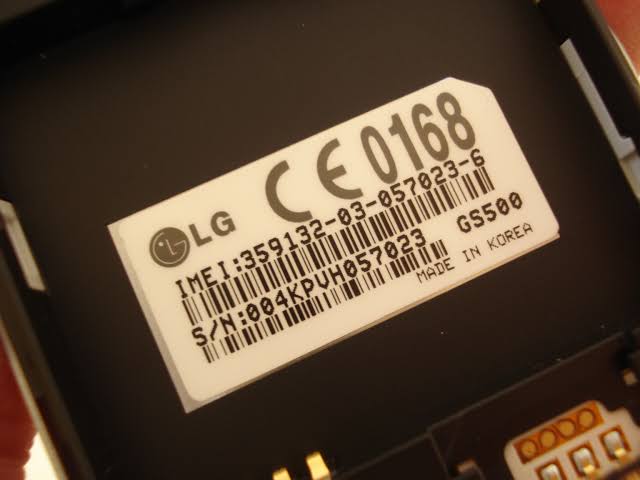
The IMEI is most useful before a used-phone purchase. A buyer can compare the number shown in the phone’s settings with the number on the box and receipt. They can ask the seller to meet at a carrier store or use an official device-check service. If the numbers do not match, the device may have been repaired with a replacement board, the listing may be inaccurate, or the handset may have a more complicated history. A mismatch is not automatically proof of theft, but it deserves an explanation.
The number also helps after a phone is lost or stolen. Keep a private record of the IMEI and serial number, and report the loss to your carrier and local authorities. A carrier can explain whether device blocking is available in your region. Enterprises use equipment identifiers for asset registers, warranty claims, repairs, and the safe retirement of old devices. Repair centers use them to connect service records with the correct handset, especially when several devices of the same model arrive in one batch.
For everyday security, record the IMEI somewhere separate from the phone. Save a photo of the box or write the number in a password-protected document. Do not publish it on social media with your address or account details. If you sell the phone, remove your accounts, factory reset it, and provide a receipt. The buyer can then verify the identifier through legitimate channels. This simple habit makes second-hand transactions clearer and reduces avoidable disputes.
Advantages and Limitations
The main advantage of an IMEI is traceability at the equipment level. It gives manufacturers, carriers, repair networks, and legitimate owners a common reference for a handset. It can support warranty administration, anti-theft processes, and inventory management. Because it is separate from a SIM account, it can remain useful even when the service provider changes.
However, an IMEI is not a magic recovery tool. It can be copied or manipulated in some circumstances, and records are not equally complete in every country. A phone reported in one market may not be blocked everywhere. Repair practices can make physical labels and software records disagree. A blacklist check may report the status at one moment but cannot predict a later report. Privacy is another consideration: an identifier should be shared only when there is a clear, legitimate reason.
Frequently Asked Questions
Can I change my IMEI? Changing or rewriting an IMEI is illegal or heavily restricted in many places because it can conceal stolen equipment. Legitimate board replacement may change the identifier, but it should be documented by a qualified repair provider. Do not use unofficial tools that promise to “unlock” or rewrite a phone’s identity.
Does a factory reset change the IMEI? No. A normal software reset does not create a new equipment identity. If the displayed number changes after repair, ask the technician for documentation and verify it with the manufacturer or carrier where possible.
Can someone track my exact location with my IMEI? A public IMEI lookup cannot do that. A network may have records that support an official investigation, but the number alone is not a GPS beacon. Use the device’s built-in location service and the proper account-recovery process if a phone is missing.
Does an eSIM phone still have an IMEI? Yes. The eSIM replaces a removable subscriber card, not the identifier of the device or cellular modem. You may see one or more IMEI numbers depending on how many cellular radios the phone has.
Conclusion
An IMEI number is a compact but important identity for a smartphone. It helps the mobile ecosystem recognize equipment, supports legitimate carrier and repair processes, and gives owners a way to verify a device during a sale or loss. It is not a password, a GPS tracker, or a guarantee that a stolen phone will be recovered. Use it alongside receipts, accounts, screen locks, and backups. Record your number privately, check it carefully before buying a used phone, and rely on official carrier or manufacturer channels when a situation becomes serious. That balanced approach makes the IMEI useful without expecting it to do more than it was designed to do.