What Is a CMOS Image Sensor?
When you tap the shutter button on a smartphone, the camera does not simply record the scene in front of you like a tiny video camera. Light enters the lens, passes through filters, and lands on a sensor covered by millions of microscopic light detectors. That sensor converts the pattern of light into electrical signals, which the phone turns into a photograph. One of the most important parts of this process is the CMOS image sensor.
CMOS stands for complementary metal-oxide-semiconductor. It is a manufacturing technology that allows image sensors to combine light detection, signal processing, and high-speed readout on a compact chip. Most smartphone cameras use CMOS sensors because they are efficient, fast, and well suited to mass production. This guide explains how a CMOS image sensor works, what its main parts do, and why megapixels are only one part of the picture. We will also look at its strengths, limitations, and the practical questions people ask when comparing cameras.
What Is a CMOS Image Sensor?
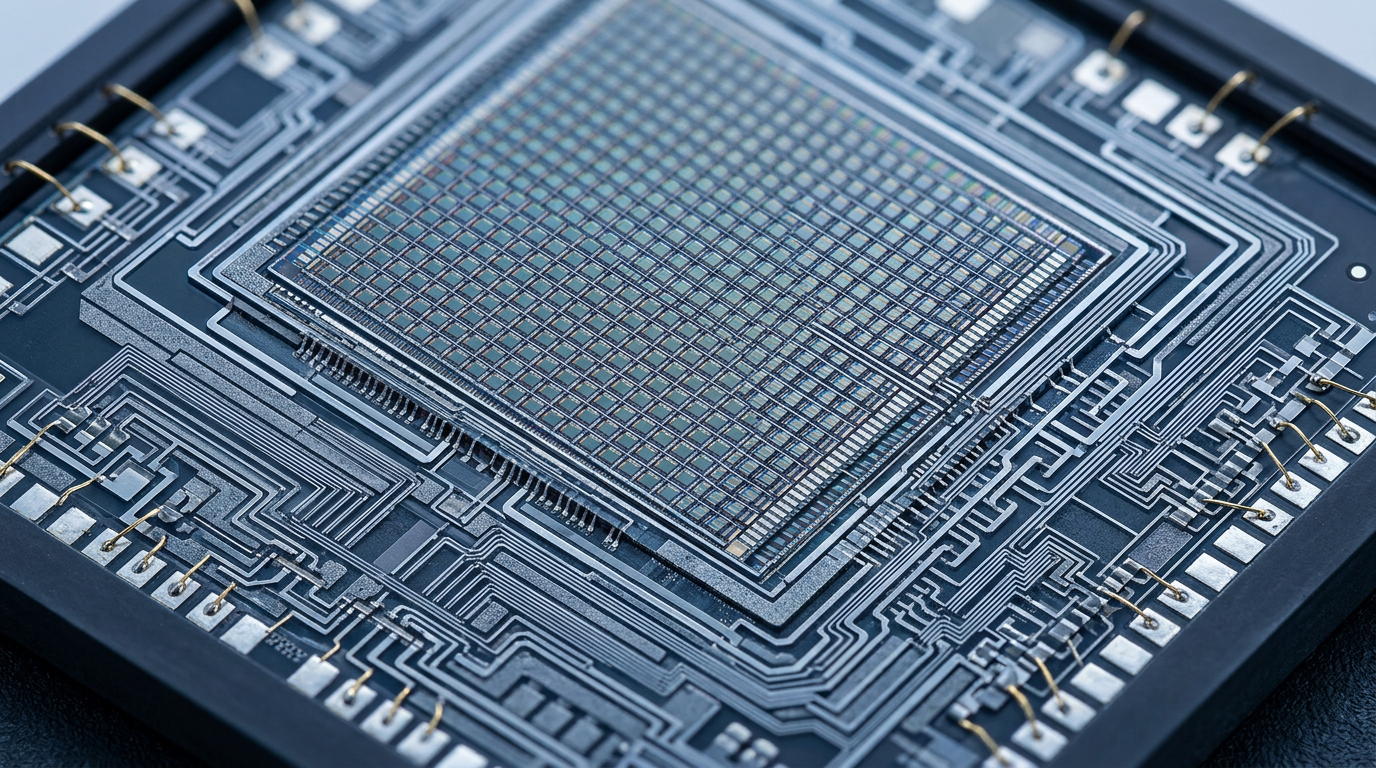
A CMOS image sensor is an electronic component that converts light into digital image data. It contains a grid of pixels, and each pixel usually includes a photodiode that accumulates an electrical charge when exposed to light. Additional transistors read and amplify that charge. The sensor sends the resulting values to an image signal processor, which applies color correction, noise reduction, sharpening, and other processing before saving an image.
The “complementary metal-oxide-semiconductor” name refers to the transistor technology used in the chip. CMOS sensors can be made with manufacturing processes similar to other integrated circuits, which helps integrate control and processing functions. They differ from charge-coupled device sensors, or CCDs, which move charge across the chip in a different way. CMOS has become the dominant choice in phones because it supports fast readout, lower power consumption, and compact system integration.
Sensor size and pixel size matter, but they do not tell the whole story. A sensor may have many pixels, while another has fewer but larger pixels that collect more light. A larger sensor also needs a lens system capable of covering it. Camera quality comes from the lens, sensor, stabilization, processor, software, and the way all these parts are tuned together.
How Does It Work?
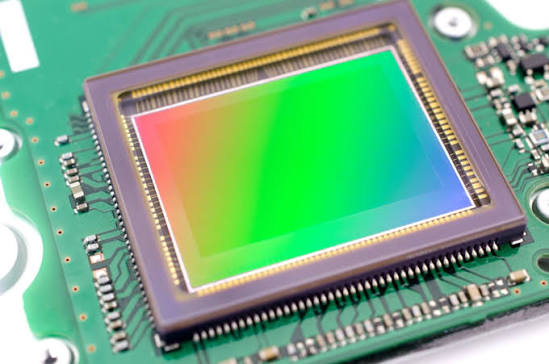
Light enters through the camera lens and reaches the pixel array. A microlens above each pixel helps direct light toward the sensitive area, and a color filter allows red, green, or blue light to reach different pixels. Inside the photodiode, photons create electron-hole pairs. The charge produced during the exposure time is proportional to the amount of light, within the sensor’s dynamic range.
During readout, the sensor converts each pixel’s charge into a voltage. Amplification and analog-to-digital conversion turn that voltage into a digital value. Rows of pixels are read in sequence, which is why many phone sensors use a rolling shutter. A rolling shutter exposes and reads rows at slightly different times. This works well for most still photography but can produce skewed objects or wobbly video when the camera or subject moves quickly. Some sensors use other readout strategies to reduce this effect.
Color is reconstructed from the filtered pixel data. Most sensors use a color-filter pattern with more green samples than red or blue because human vision is especially sensitive to green detail. The processor interpolates the missing color values through a process called demosaicing. It also corrects lens shading, reduces noise, maps highlights, and combines multiple exposures for HDR images. In low light, the sensor may combine adjacent pixels into a larger effective pixel through binning, trading resolution for sensitivity.
Modern phone sensors often include backside illumination, in which the wiring is moved behind the light-sensitive area so more light can reach the photodiode. Stacked sensors place a logic layer underneath the pixel layer, enabling faster processing and more on-chip functions. Some sensors include phase-detection autofocus pixels that help the camera focus quickly. The image signal processor and the phone’s software then determine how the final photograph looks.
Key Components and Technologies
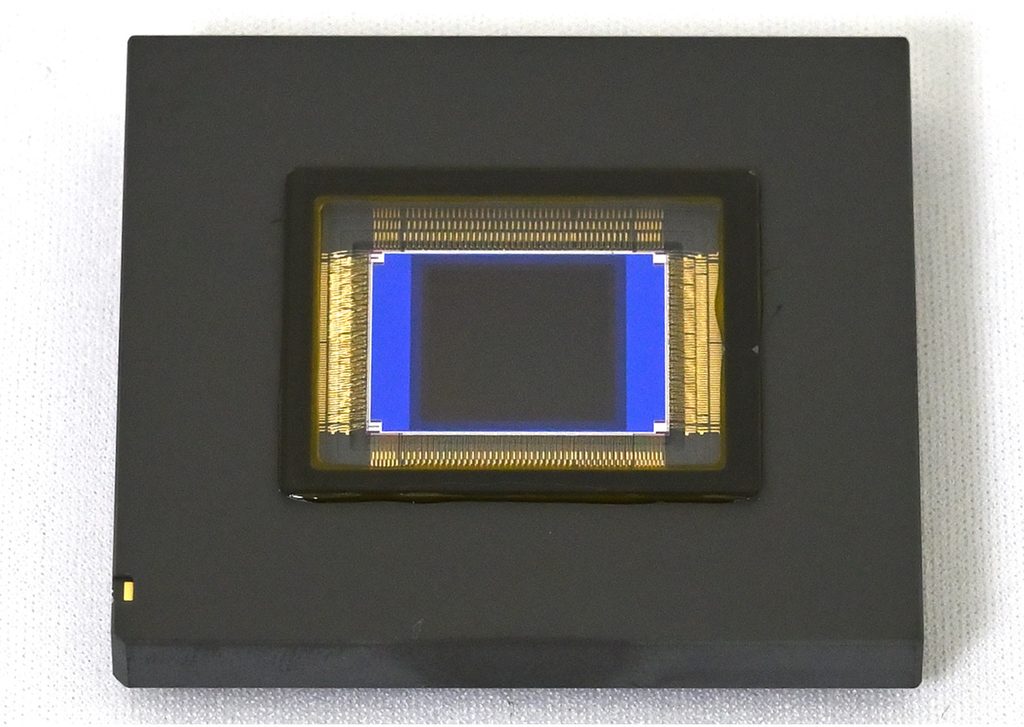
The pixel array is the core of the sensor. Each pixel contains a photodiode and transistor circuitry, plus structures for focusing light and selecting color. The lens assembly gathers light and controls focus and aperture where available. An infrared-cut filter removes unwanted wavelengths, while microlenses improve light collection. The image signal processor handles the enormous amount of data produced by the sensor and performs the computations needed for a usable image.
Autofocus technology is another important layer. Phase-detection pixels can judge whether the image is focused in front of or behind the desired point. Contrast-detection autofocus uses changes in image sharpness. Some phones combine both. Optical image stabilization moves the lens or sensor to reduce blur, while electronic stabilization shifts and crops image data. Neither technology can create detail that the lens and sensor did not capture, but both can make handheld results more reliable.
Computational photography extends the sensor’s role. The phone may take several frames and merge them, use machine learning to recognize scenes, or combine data from multiple cameras. A sensor with fast readout can support these operations more effectively. This is why a lower-megapixel sensor with good light collection and fast processing may produce better everyday photos than a higher-megapixel sensor with poor optics or slow software.
Real-World Applications
CMOS image sensors are used in nearly every smartphone camera, including main, ultrawide, telephoto, and front-facing modules. They also appear in webcams, security cameras, automobiles, medical devices, drones, and industrial inspection systems. In phones, a CMOS sensor enables still photography, video recording, slow motion, portrait effects, and computational night modes.
The best sensor for one situation is not always the best for another. A large main sensor may produce attractive low-light photos but require a larger camera bump. A compact sensor may fit into a thin phone but rely more heavily on processing. A telephoto sensor may trade some light collection for optical magnification. A front camera may prioritize wide field of view and fast readout for video calls. Buyers should compare actual samples and video behavior rather than only the sensor’s megapixel count.
Sensor quality also affects the creative process. High-speed readout can reduce rolling-shutter artifacts and improve burst capture. Good dynamic range helps preserve detail in bright skies and dark shadows. Accurate color filters and strong optics can reduce the need for heavy correction. When a phone combines multiple frames, the sensor’s behavior under flickering lights and motion matters. A technically impressive sensor can still produce disappointing images if the processor applies excessive sharpening or smears fine texture.
Advantages and Limitations
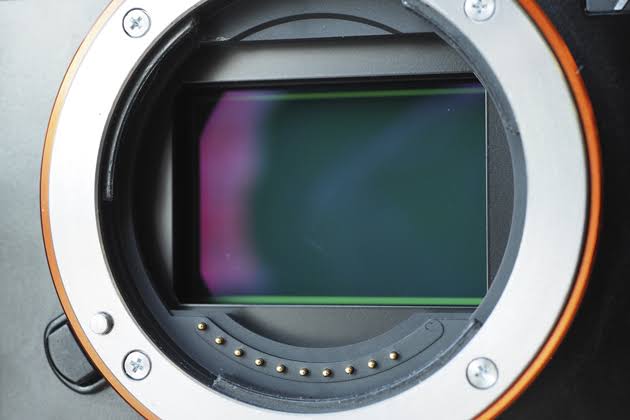
CMOS image sensors offer compact size, low power consumption, fast readout, and strong integration with digital processing. They can be manufactured in high volumes, which makes them practical for phones and many other devices. Advanced features such as stacked processing, phase-detection autofocus, and pixel binning can be built into the sensor itself. These advantages have helped phone cameras replace dedicated compact cameras for many everyday tasks.
The limitations are linked to small optics and small pixels. A phone sensor must fit into a thin body, so its photosensitive area is often limited compared with a larger camera. Small pixels collect less light, which can increase noise in dim conditions. Diffraction and lens imperfections can limit resolving power even when the megapixel count is high. Rolling shutter, heat, and processing delays can affect video and burst performance. Software can correct many problems, but it can also introduce artificial textures or overcooked colors.
Frequently Asked Questions
Is a CMOS sensor better than a CCD? CMOS is generally better for smartphones because it is compact, power-efficient, fast, and easy to integrate with processing. CCD sensors can have advantages in specialized applications, but they are no longer the default choice for phone cameras.
Does more megapixels mean a better camera? Not necessarily. Megapixels describe pixel count, while light collection, lens quality, stabilization, processor speed, and image processing also matter. A 12-megapixel camera with large pixels can outperform a 48-megapixel camera in some conditions.
Why do phones combine pixels? Pixel binning combines neighboring pixels into a larger effective unit to gather more light and reduce noise. The phone may output a lower-resolution image in ordinary light and switch to full resolution when there is enough brightness and detail.
Is a larger sensor always better? A larger sensor can collect more light, but it also needs a larger lens and more space. The best choice depends on the phone’s thickness, design priorities, and how the whole camera system is tuned.
Conclusion
A CMOS image sensor is the light-sensitive chip that turns a scene into digital data in most smartphones. Its pixel array, color filters, readout circuitry, autofocus features, and processing integration make modern phone photography possible. The technology offers speed, efficiency, and flexibility, but it cannot overcome fundamental limits of small optics, tiny pixels, or poor software tuning. When evaluating a camera, look past megapixels and sensor labels. Examine low-light detail, dynamic range, motion handling, video quality, and consistency across the cameras you will actually use. That is where a CMOS image sensor proves its real value.